
You have 0 items in your cart
Lodhi Garden, Delhi: Information, History, Timings, Entry Fee
Visible from Sikander's tomb is the Athpula ('eight-piered') Bridge, one of the few monuments in Delhi that was built during the reign of Mughal emperor Akbar. In the middle of the gardens is the Bara Gumbad (lit. 'big dome'), consisting of a large rubble-construct dome and is not a tombbetter source needed but was constructed as a gateway to either the attached three domed masjid (mosque) or a large walled enclosure. If you’re here for a walk or jog, an hour may be enough, but history buffs might want to spend more time exploring the monuments.
2 सिकंदर लोदी मकबरा – Tomb Of Sikandar Lodi In Hindi
The layout respects the historical monuments while creating clear circulation patterns that allow visitors to explore both the natural and architectural features comfortably. The tomb of Sikandar Lodhi, the second ruler of the Lodhi dynasty who died in 1517, stands as another architectural masterpiece within the gardens. The name Lodhi comes from one of the dynasties whose tombs are found in the gardens, there are others from the Mughal and Sayyid rulers. It is one of the most impressive monuments in Mughal architecture and really beautiful gardens.

T.K.'s Oriental Grill, Hyatt Regency: Delhi's…
- This is rare in Delhi where is an area that has plenty of nature along with Delhi’s complex history.
- The park features a serene Lodhi Garden lake, walking trails, jogging tracks, and beautifully landscaped lawns.
- This historic stepwell is only a short walk from Connaught Place but seems to be largely unknown to foreign visitors.
- International visitors even search for it as Лоди Гарден or Lodi Gärten.
- Flowering shrubs, fragrant roses, and colorful blooms carpet the park in a riot of colors, attracting butterflies and bees in their droves.
This incredibly octagonal tomb is (according to the internet at least) the earliest example of a garden tomb in India. The Lodhi Garden is the perfect antidote if you have overdosed on city chaos in Delhi. In this article we are using Lodhi for the garden / park and Lodi for the Sultan whose name it bears. As India threw off the shackles of Empire and gained Independence the parks name was changed to the Lodhi Garden The area was cleared and the people moved in the 1930’s and the park was built connecting the ruins together and planting native trees and Lodhi Garden flowers. The area, ruins and tombs were once dotted around the village Khairpur on the periphery of New Delhi.
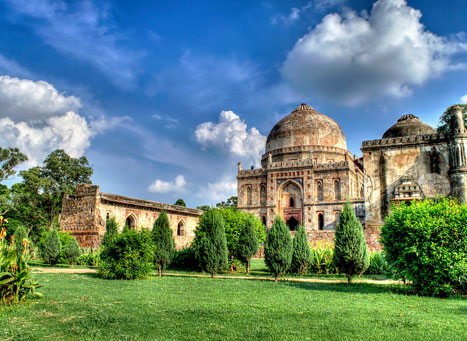
The Bara Gumbad, a huge rubble dome, is located centrally in the Delhi Lodhi Garden. The tomb’s main complex is octagonal, with a central dome adorned with three arches, verandahs, and old defensive features. His mausoleum is built with a mix of Hindu symbolism and Islamic motifs.
- Delhi tourism and transportation development initiated anddeveloped this garden under the guidance of the architect Pradeep Sachdeva.
- The tomb’s distinctive architectural features include its octagonal plan, surrounding verandah, and the beautiful proportions that create visual harmony with the landscape setting.
- Winters are usually considered the best time to visit Northern India as the temperature during this season ranges between cold to comfortably warm.
- Welcome to Lodhi Garden – Where History Meets Nature 🌺🏛️
- You can also join the Delhi Runners Group, which organizes regular runs and marathons at Lodhi Gardens.
- Jor Bagh station in Yellow Line metro is nearest to Lodhi Garden.
- Lodhi Garden Delhi is more than a public garden, it is a park which depicts the rich culture and history of Delhi.
The beautiful Lodhi Garden is a popular escape for many, symbolizing national, historical, and architectural values. Ibhrahim lodi son of Sikander Lodi built a tomb in hisfather’s memory in the garden. Shisha Gumbad and Bara Gumbad have the architectural beauty.The tombs are in the middle of the garden. Delhi has many beautifulgardens all around mostly built during Mughal period or other dynasties.